
Tooling & Integrations
Overview
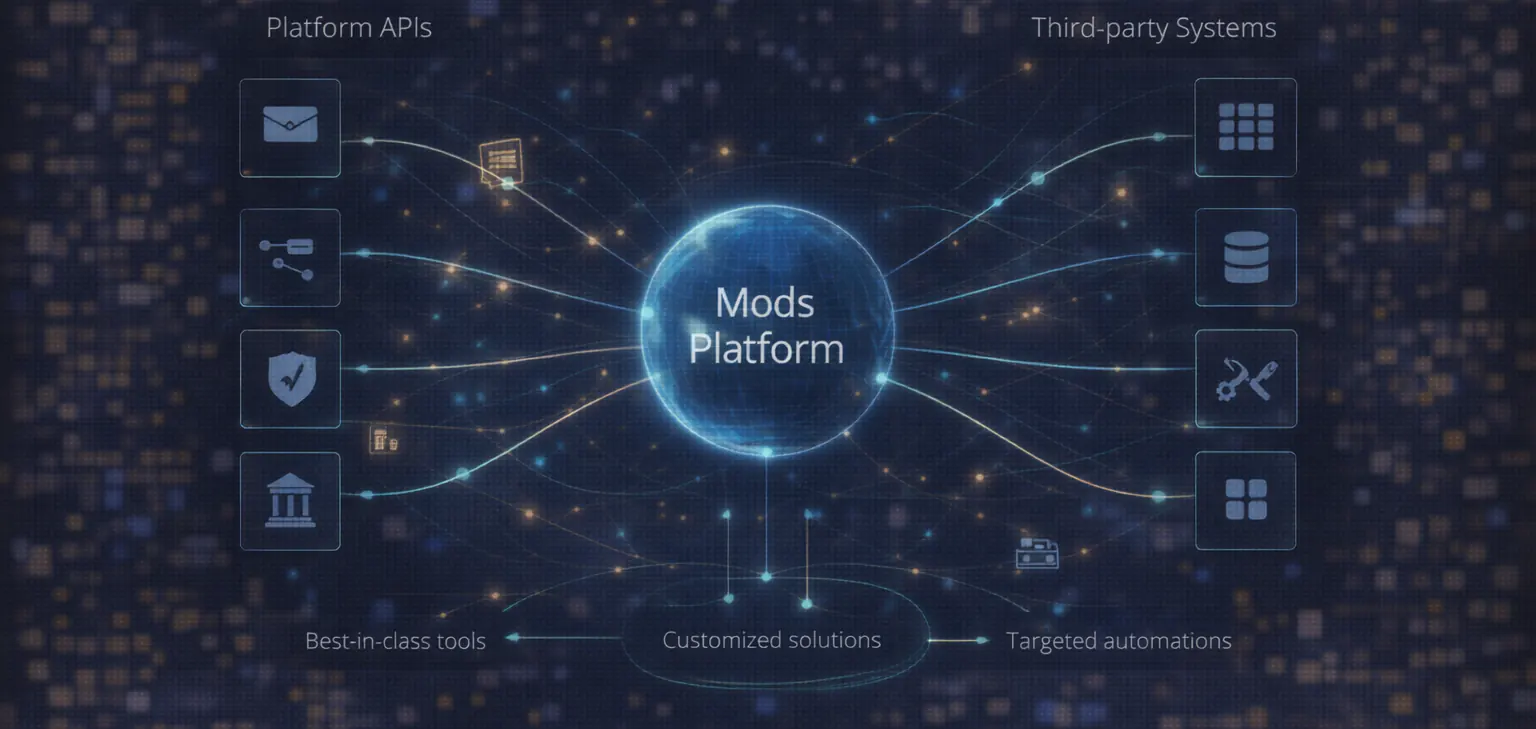
Tooling and integrations describe how operational work connects with existing systems. The objective is to fit into current environments without adding unnecessary layers. Tools are treated as part of the workflow, not as a separate project.
Working With Existing Systems
Most platforms already run on a mix of payment tools, internal dashboards, and support systems. Operations are designed to work inside that setup. When a client uses specific providers, the workflow adapts to them.
Payment and PSP Environment
Payment operations often involve PSP-specific rules, reporting, and escalation paths. We work with common providers such as Stripe, Netvalve, Kesspay, and Masspay, and also with other PSPs already used by client platforms. The focus stays on processing stability and clear operational follow-up.
Dispute and Network Workflows
Dispute handling depends on strict timelines and structured case information. When network tools are in use, workflows can include Visa Verifi and Mastercard Ethoca. These tools are treated as part of the dispute process, not as a separate layer.
Fraud and Risk Tooling
Risk workflows may rely on third-party fraud tooling when it is already in place. Sift is one example of a tool used for risk signals and case context. Regardless of tooling, decisions remain tied to platform rules and operational constraints.
Analytics and Reporting
Operational analysis often depends on product and payment data. Amplitude and Power BI are commonly used for monitoring trends, validating changes, and tracking outcomes. Reporting is kept practical and focused on what teams can act on.
Moderation and Identity Tooling
For content moderation, workflows may include Hive where it supports review and prioritization. For identity-related checks, workflows can include Veriff and Yoti when those services are part of the client environment. These tools support decisions, but policy and process remain the baseline.
Closing Note
Integrations work best when they stay simple and consistent. The goal is to support day-to-day operations using the tools already adopted by the platform. Tooling can change over time, so workflows are designed to remain stable when systems evolve.