
Transaction Monitoring
Overview
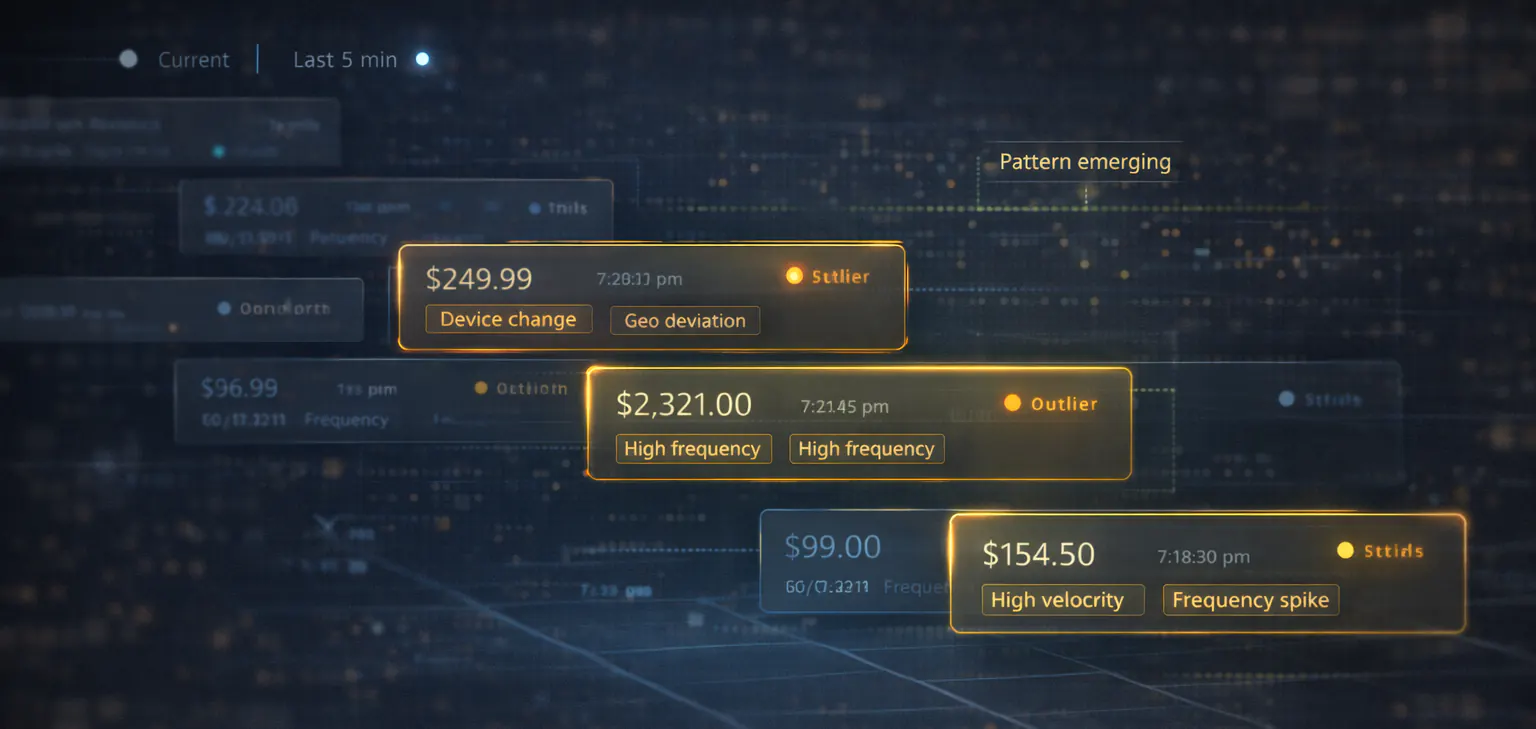
Transaction monitoring focuses on the ongoing review of payment activity across a platform. The objective is to detect unusual patterns and shifts in behavior as they occur. Monitoring supports early action before issues turn into losses or disputes.
Continuous Review of Activity
Transactions are reviewed as a flow rather than isolated events. Volume changes, frequency, and timing are assessed in context. This helps separate normal variation from potential risk.
Signals, Thresholds, and Case Context
Monitoring relies on signals that help prioritize attention. Thresholds are set to balance sensitivity and operational workload. When available in the client environment, risk tooling such as Sift can support signal context and case review.
Operational Analysis and Reporting
Monitoring is supported by practical reporting on trends and outcomes. Amplitude and Power BI are examples of tools used for internal analysis when they are already part of the setup. Reports are used to validate changes, detect drift, and track recurring issues.
Manual Review and Escalation
Some cases require manual review when signals are unclear. Reviewers use transaction context, account history, and recent activity to decide next steps. Escalations are handled with clear notes and defined handoffs.
Link With Fraud and Dispute Work
Monitoring feeds into fraud prevention and dispute handling. Findings are used to adjust controls and reduce downstream chargebacks. Consistency in monitoring helps keep payment operations stable.
Closing Note
Transaction monitoring is a continuous operational function. It evolves with user behavior, transaction volumes, and payment conditions. Regular review helps maintain visibility without increasing unnecessary noise.