
Security & Compliance
Overview
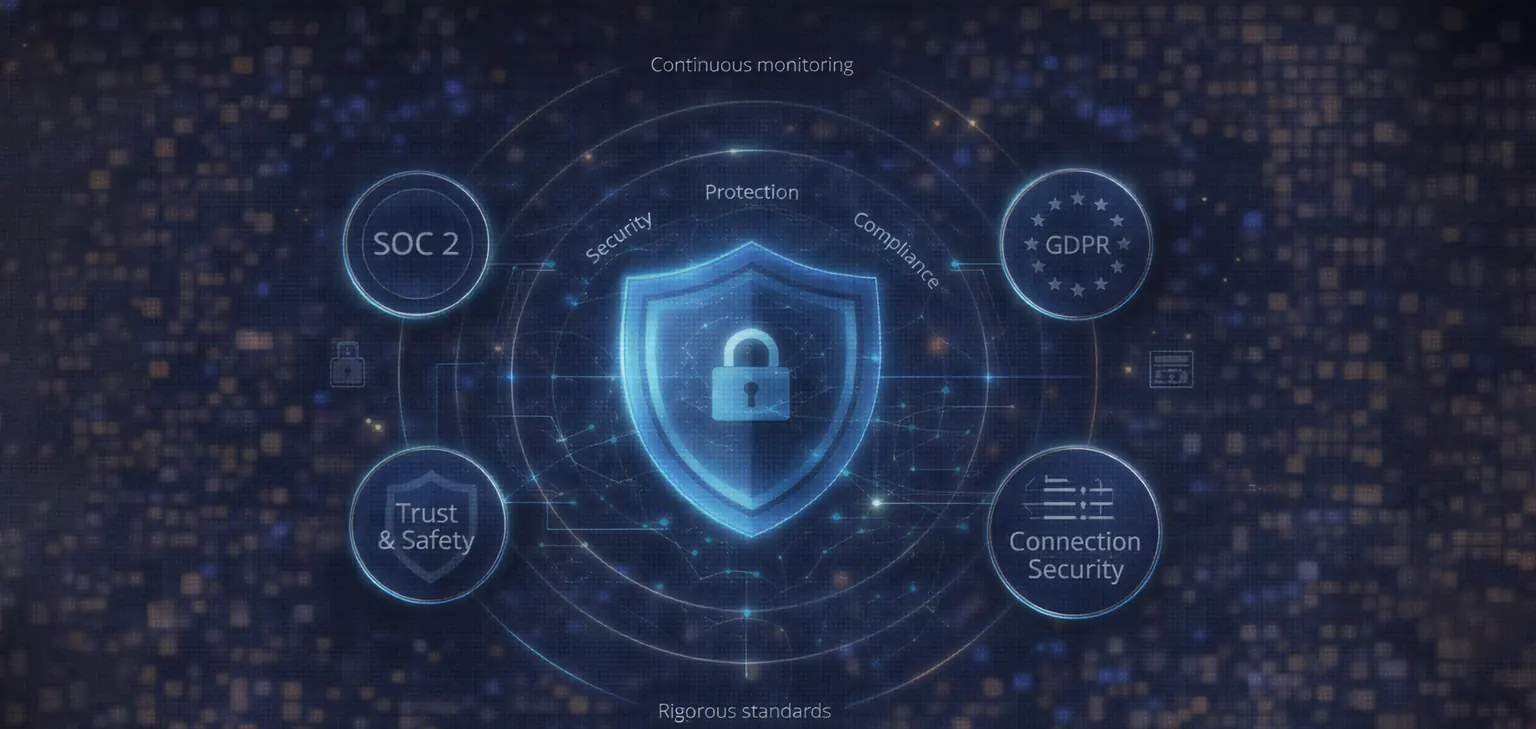
Security and compliance focus on protecting data, systems, and operational processes. These requirements are treated as part of daily operations rather than separate concerns. Controls are applied to support stability and trust.
Data Handling and Access Control
Operational work often involves access to sensitive information. Access is limited based on role and necessity. Controls are in place to reduce exposure and prevent unnecessary handling.
Operational Security Practices
Security practices are embedded into daily workflows. This includes account access rules, case handling procedures, and internal controls. Consistency helps reduce errors and unintended exposure.
Compliance Requirements
Platforms may be subject to regulatory, contractual, or network requirements. Operational processes are aligned with these obligations. Compliance is handled through documented procedures and regular checks.
Incident Handling and Response
When security or compliance issues arise, they are reviewed promptly. Incidents are documented with clear context and follow-up actions. The focus is on containment and correction rather than escalation.
Audits and Reviews
Operational reviews and audits help verify that controls are applied correctly. Findings are used to adjust processes where needed. Reviews are treated as part of continuous improvement.
Coordination With Clients and Partners
Security and compliance often involve coordination with external parties. Requests are handled with clear documentation and defined timelines. Communication remains factual and focused on requirements.
Closing Note
Security and compliance are ongoing operational responsibilities. They evolve with platform activity, regulations, and risk exposure. Clear processes and disciplined execution remain essential.